
Back to Dashboard
Dashboard β€Ί Foundation Level β€Ί F101
🌱 Foundation Level Unit 1 of 5 ~60 mins

Self-Discovery & Identity

Self-discovery is the process of understanding who you are, what you believe, and who you are becoming. This module helps you develop clarity about yourself so you can make wiser decisions, build confidence, and grow into a responsible individual.

Module Video Lesson
Audio Lesson, Listen On the Go
Β Conversational audio overview, perfect for listening while on the go
Audio Lesson, Self-Discovery & Identity
Audio file placeholder, upload MP3 to replace this
── PDF DOWNLOAD BUTTON ──
F101 reference image 1 F101 reference image 2 F101 reference image 3
Β Tap any image to view full screen
1
Who Am I?, Understanding Identity

Identity is more than a name, age, nationality, or background. It is the internal understanding of who you believe you are and the direction you are choosing for your life. According to Rev. Kingsley Oletu, knowing who you are is as important as knowing who you are not.

Many people define themselves based on temporary labels such as academic performance, family background, social status, or the opinions of others. However, identity should be built on deeper foundations, values, personal growth, character, and long-term purpose.

Identity is not fixed. It develops through experiences, decisions, and mindset. Psychologists describe two types of mindsets: a fixed mindset (believing abilities cannot change) and a growth mindset (believing abilities can be improved through effort and persistence). Students with a growth mindset see mistakes as opportunities to learn rather than proof of failure.

If a person does not intentionally define their identity, society will define it for them through stereotypes, expectations, and peer pressure. Therefore, young people must learn to define themselves through reflection, growth, and personal responsibility.

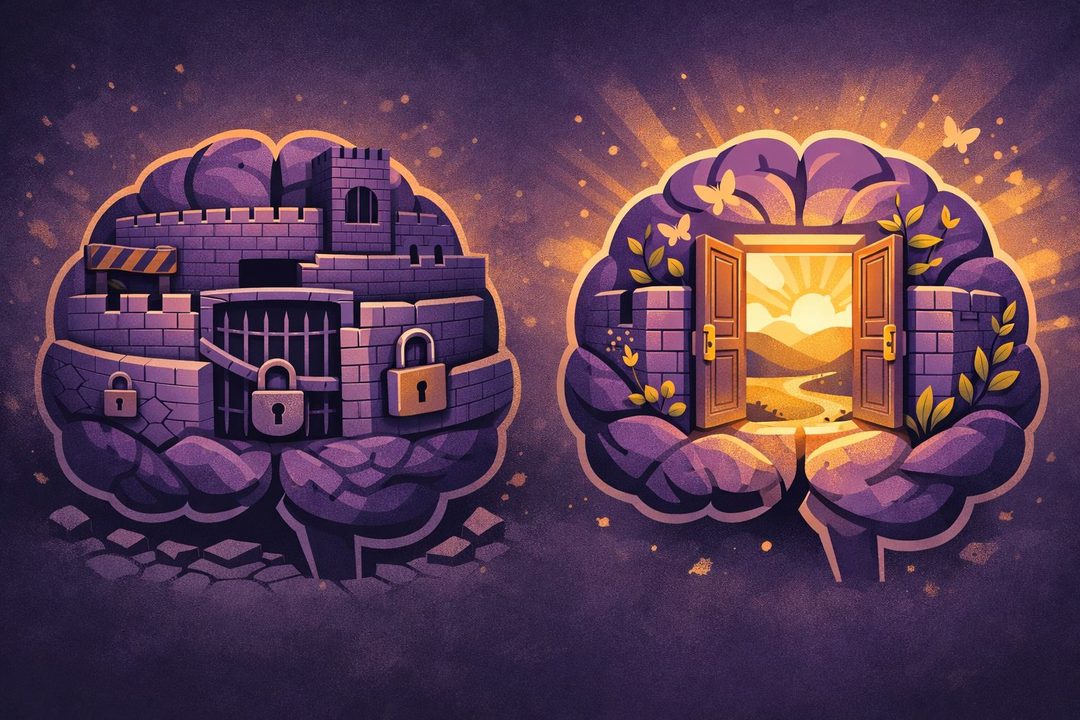
FIXED MINDSETGROWTH MINDSETβ€’ Abilities are fixedβ€’ Abilities grow with effortβ€’ Challenges are threatsβ€’ Challenges are giftsβ€’ Effort seems pointlessβ€’ Effort builds masteryβ€’ Feedback feels like attackβ€’ Feedback is a compass
πŸ“–Case Study
Maya's Identity Shift
Maya was a secondary school student labeled as "average." For years she believed this and avoided challenging subjects. When a mentor encouraged her to adopt a growth mindset and focus on effort rather than labels, she began to study consistently. Within a year her grades improved significantly, proving that identity is not determined by past performance but by the mindset you choose moving forward.
"When we prioritize the labels other people put on us over our individual efforts, our lives become the sum total of other people's opinion rather than who God has created us to become.", Rev. Kingsley Oletu
✍️Personal Activity
Write a one-page "Who I Am Becoming" statement describing the kind of person you want to grow into in the next five years.
πŸ‘₯Group Activity
Identity mapping discussion circle, share aspects of your identity such as values, strengths, goals, and aspirations.
πŸ’­ Reflection Question
What labels have I accepted that I need to reject?
2
Understanding Strengths & Weaknesses

Every individual possesses unique strengths and weaknesses. Strengths include natural talents and positive character traits, patience, empathy, creativity, discipline, perseverance, and communication skills. Weaknesses are areas where improvement is needed and should not be viewed as reasons for shame.

Self-awareness is the first step toward personal growth. When you understand your strengths, you can intentionally develop them into useful skills. Acknowledging weaknesses allows you to build strategies for improvement, whether in time management, public speaking, focus, or study habits.

Comparing yourself constantly with others often creates insecurity. Instead, measure improvement against your own past performance. True maturity involves accepting both strengths and weaknesses while committing to self-improvement.

1KnowYourself2AcceptYou3SetSmall Goals4CelebrateWins5RepeatDaily
πŸ“–Case Study
Samuel's Public Speaking Journey
Samuel was extremely shy and avoided speaking in groups. During a leadership workshop, he was encouraged to give a short introduction in front of classmates. His first attempt was imperfect but his classmates supported him. Over time, with practice in class discussions and small presentations, his confidence grew. By the end of term he successfully delivered a speech during a school assembly.
✍️Personal Activity
Write ten positive affirmations about yourself.
πŸ‘₯Group Activity
Practice short self-introduction speeches in small groups.
πŸ’­ Reflection Question
What fear is currently limiting my confidence?
βœ“
Conclusion

Self-discovery is the foundation of personal growth and leadership. Understanding identity, strengths, weaknesses, values, and confidence enables you to make better decisions and develop a strong sense of direction.

This module invites you to reflect deeply on who you are becoming, rather than simply reacting to circumstances. By developing self-awareness, strengthening values, and building confidence, you can shape your future with clarity and determination.

Remember: self-discovery is not a single event but a lifelong journey of learning, reflection, and growth.

Your reading progress
0% read
Module Progress
0%
F101 completed
Flashcards, tap to reveal
Question
What is the difference between a fixed mindset and a growth mindset?
Tap to reveal answer
Answer
A fixed mindset believes abilities cannot change. A growth mindset believes abilities can be improved through effort, learning, and persistence.
1 / 5
Quick Quiz
1. According to the module, what should identity be built on?
2. What does courage mean according to this module?
3. In Aisha's case study, what did her integrity protect her from?
COMPLETE