
Advanced Emotional Intelligence
Advanced emotional intelligence moves beyond basic awareness to deeper mastery of emotional triggers, communication influence, persuasion, and assertiveness. As Rev. Kingsley Oletu teaches: Emotions are a gift, and emotional intelligence is a prerequisite for soaring beyond the limitations of human interaction. This module focuses on two major areas: emotional triggers and self-control, and influence, persuasion, and assertiveness.
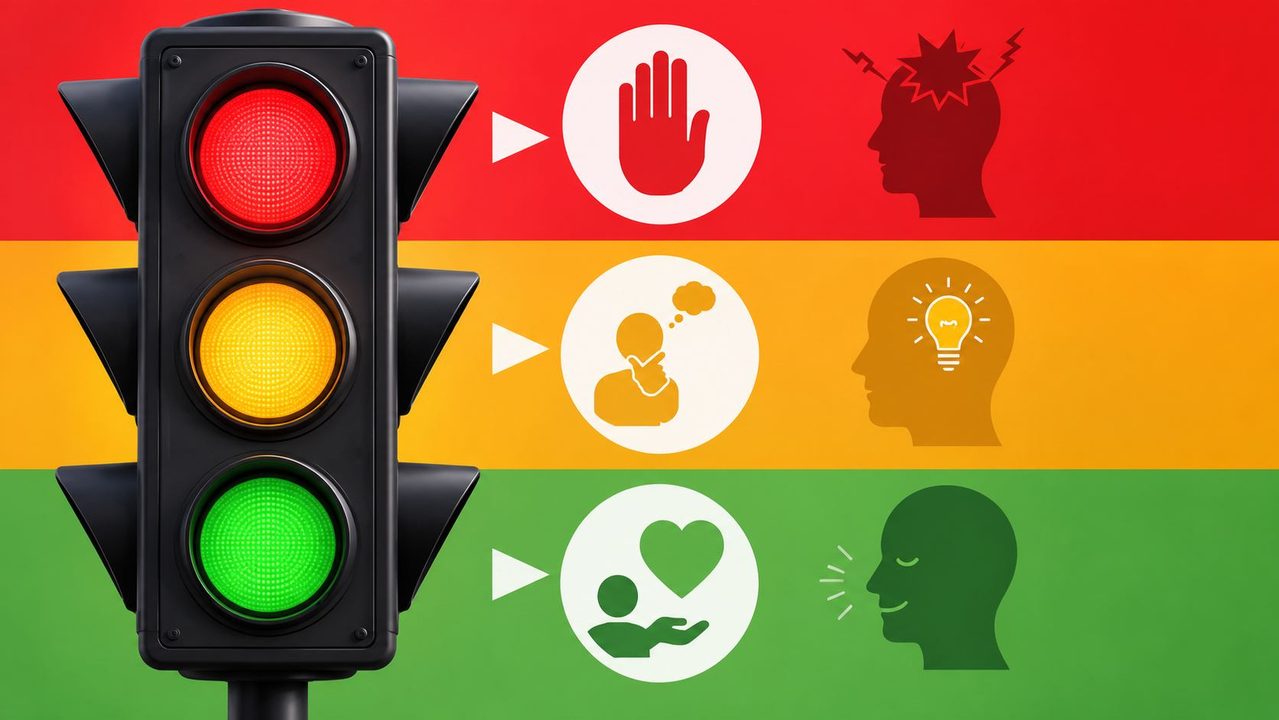

Emotional triggers are specific situations, words, behaviors, or memories that provoke strong emotional reactions, anger, frustration, embarrassment, fear, or sadness. Triggers often develop from past experiences, personal insecurities, expectations, or unresolved emotional conflicts.
Without trigger awareness, people may react with anger, withdrawal, or defensiveness without fully understanding why. Such reactions can damage relationships, create misunderstandings, and lead to poor decision-making.
Self-control does not mean suppressing emotions. It means managing emotional responses wisely and intentionally. Mature individuals recognise their emotional reactions but choose responses aligned with their values and goals. Strategies include: pause and breathe before responding; identify the emotion and its trigger; consider long-term consequences; choose words and actions carefully.
Self-control strengthens leadership credibility. Leaders who react impulsively lose trust and influence, while leaders who demonstrate emotional stability earn respect and confidence from others.
Influence is the ability to affect the thoughts, attitudes, or actions of others, not through authority or position, but through credibility, emotional intelligence, and communication skills. Students who develop influence skills communicate ideas effectively and contribute meaningfully to group discussions.
Persuasion is communicating ideas in a way that encourages others to consider a particular viewpoint. Effective persuasion relies on logic, empathy, credibility, and clear communication. Persuasion must be distinguished from manipulation, ethical persuasion respects the autonomy and dignity of others.
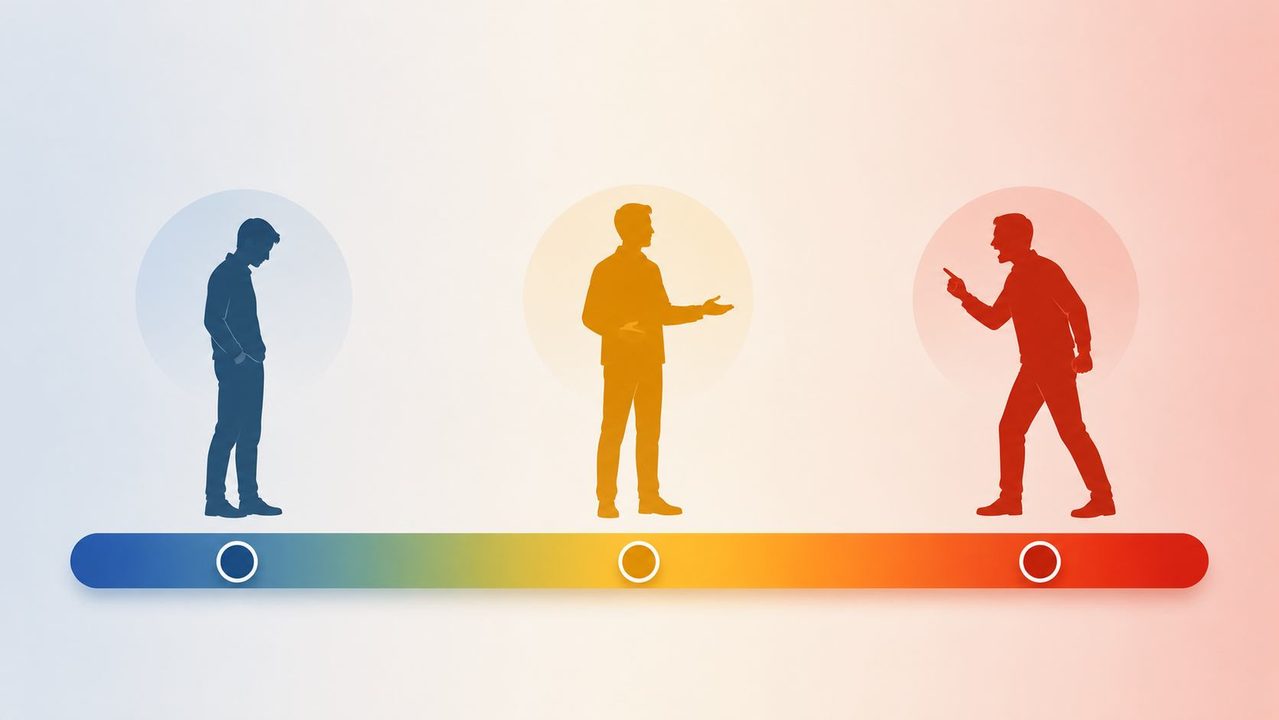
Passive individuals avoid expressing opinions or needs. While passivity may appear polite, it often leads to frustration, misunderstandings, and unexpressed concerns.
Aggressive communication involves expressing opinions in a forceful or disrespectful manner. While aggression may achieve short-term results, it often damages trust and relationships.
Assertiveness is the balanced middle ground. Assertive individuals express their thoughts clearly and confidently while respecting the opinions and rights of others. They set boundaries, communicate needs, and participate actively without hostility. Assertive communication strengthens relationships because it combines honesty with respect.
Advanced emotional intelligence involves deeper mastery of emotional triggers, self-control, communication influence, persuasion, and assertiveness. These skills help individuals manage complex social interactions, resolve conflicts, and lead others effectively.
The examples of Nelson Mandela, Serena Williams, Martin Luther King Jr., and Michelle Obama illustrate how emotional discipline and effective communication contribute to leadership and influence.
Emotional intelligence is not merely about controlling emotions, it is about using emotional awareness and communication skills to shape positive outcomes in personal life, relationships, and leadership.