Mastery is not merely about talent, intelligence, or public recognition. It involves self-leadership, emotional maturity, and purpose-driven identity. A person operating at mastery level has learned how to govern their thoughts, emotions, habits, and priorities in a way that supports long-term influence and legacy. This module explores Identity at Mastery Level & Self-Leadership, and Peak Performance & Pressure Management.
Module Video Lesson
Video Coming Soon
Upload your S401 video to YouTube and paste the link here
Module Video Lesson
Audio Lesson, Listen On the Go
Conversational audio overview, perfect for listening while on the go
Audio Lesson, Mastery Psychology
Audio file placeholder, upload MP3 to replace this
Visual Reference Images
Tap any image to view full screen
1
Identity at Mastery Level & Self-Leadership
Identity at the mastery stage is no longer based on temporary achievements or external validation. Instead, it is grounded in clarity of purpose, values, and contribution. At earlier stages, individuals may seek recognition through titles or awards. Masters anchor their identity in mission rather than applause, asking deeper questions: What is my life's purpose? What values guide my decisions? What legacy will my actions leave?
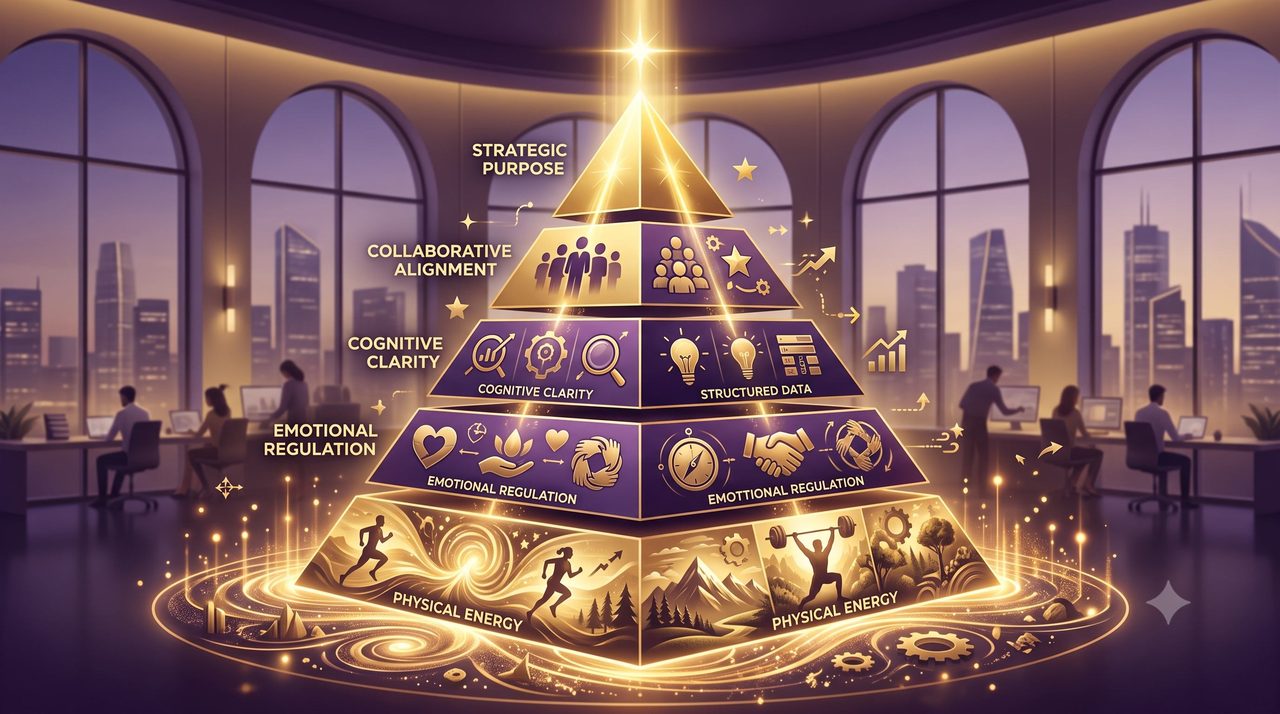
Self-leadership refers to the ability to guide one's own behaviour, thoughts, and emotional responses in a disciplined and intentional way. Before leading others, individuals must first develop the capacity to lead themselves. Self-leadership involves: strategic time management, emotional regulation, consistent personal discipline, self-reflection and correction, and continuous learning.
Internal alignment means that a person's beliefs, habits, and decisions operate in harmony. When alignment exists, actions reflect values, goals reflect purpose, behaviour reflects principles. Masters regularly evaluate whether their private habits match their public ambitions. This internal integrity builds trust and credibility.
Achievers
Masters
Seek recognition
Seek contribution
Focus on short-term success
Focus on long-term impact
Motivated by competition
Motivated by purpose
Respond emotionally to criticism
Respond thoughtfully to feedback
Measure success through results
Measure success through legacy
📖Case Study
Marie Curie, Scientific Mastery and Self-Leadership
Curie conducted groundbreaking research on radioactivity despite working in extremely challenging conditions. Laboratories lacked proper equipment and funding, yet she remained deeply committed to her research mission. Her persistence led to the discovery of Polonium and Radium, earning her two Nobel Prizes. Her success was not based solely on intelligence, it resulted from discipline, intellectual curiosity, and unwavering dedication to scientific discovery. Curie's life illustrates the essence of mastery psychology: commitment to purpose regardless of external obstacles.
When Nadella became CEO of Microsoft, the company faced intense competition and internal stagnation. Rather than focusing solely on financial performance, he emphasized a cultural transformation centered on learning, empathy, and collaboration, encouraging employees to adopt a 'growth mindset' emphasizing curiosity and continuous improvement. This cultural shift revitalized Microsoft's innovation strategy and strengthened its global influence. Nadella's leadership reflects mastery psychology because it integrates self-awareness, humility, and purpose-driven decision-making.
✍️Personal Activity
Develop a personal leadership constitution describing your core values, your leadership principles, and the legacy you hope to create. This document will serve as a compass for decision-making.
👥Group Activity
Analyse a leadership crisis scenario and discuss strategies that leaders can use to remain composed under pressure.
💭 Reflection Question
How do I typically respond when facing intense pressure or criticism?
2
Peak Performance & Pressure Management
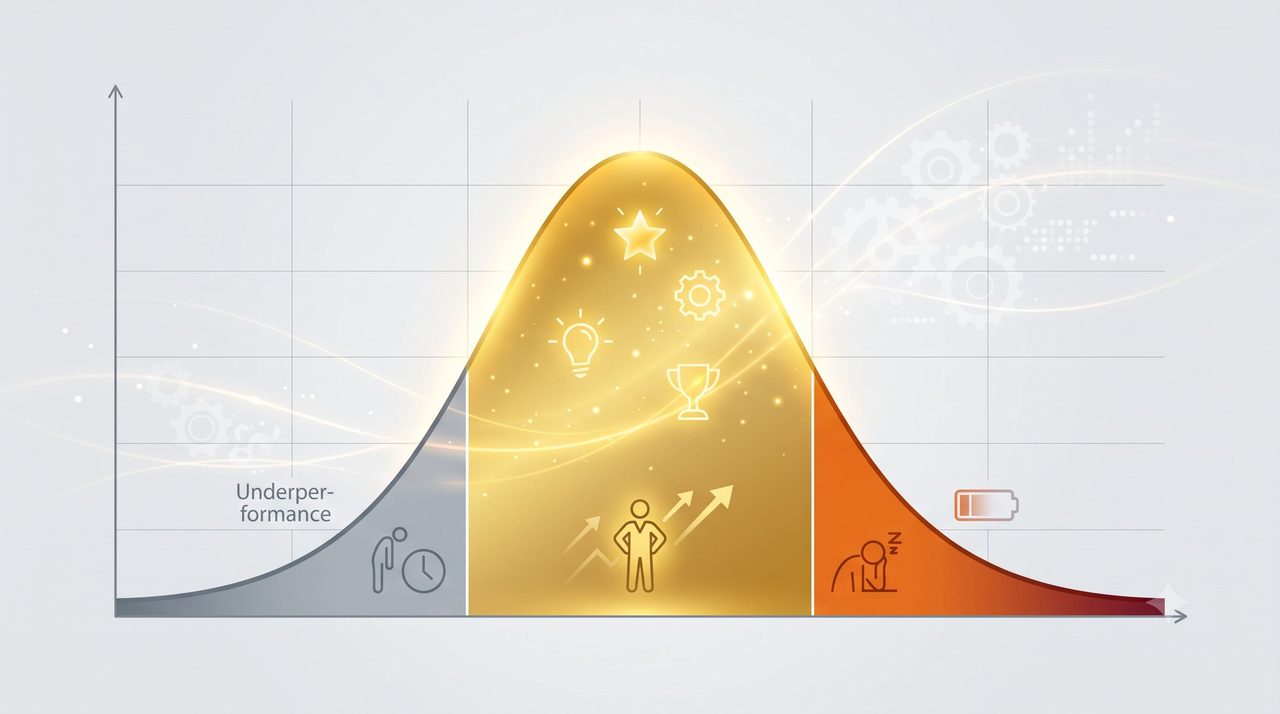
Peak performance refers to the ability to consistently deliver high-quality results under demanding conditions. Many individuals perform well when circumstances are comfortable and predictable. However, leadership roles often involve uncertainty, deadlines, competition, and crisis situations. Peak performance is not accidental, it emerges from intentional preparation and disciplined habits.
Pressure can influence performance in different ways. Moderate pressure can improve focus and motivation. However, excessive pressure may lead to anxiety, fatigue, or poor decision-making. Emotional regulation, managing emotional reactions effectively, becomes a crucial leadership skill. A calm leader stabilizes an uncertain situation; an impulsive reaction may escalate tension.
Masters do not wait until pressure appears before preparing. They anticipate challenges and build coping strategies through scenario planning, mental rehearsal, skill refinement, and risk assessment. Energy management, protecting physical and mental energy through adequate sleep, exercise, and focused work intervals, allows leaders to concentrate on high-impact activities.
📖Case Study
Serena Williams, Composure Under Pressure in Sports
Williams dominated international tennis for more than two decades, winning numerous Grand Slam titles. Her success required extraordinary mental resilience, tennis matches involve intense psychological pressure because players compete individually without teammates. Williams developed routines that helped maintain focus during critical moments: controlled breathing, consistent preparation rituals, and strategic focus on each point. Her ability to perform under extreme pressure demonstrates the psychological discipline associated with mastery.
📖Case Study
Angela Merkel, Crisis Leadership and Emotional Regulation
During the European debt crisis, Merkel faced immense pressure from political leaders, financial markets, and public opinion. Her leadership approach emphasized careful analysis, calm communication, and collaborative problem-solving. Although the crisis involved complex economic and political challenges, Merkel's steady demeanor helped maintain stability within European institutions, illustrating how emotional regulation and thoughtful decision-making can guide leadership during turbulent periods.
📖Case Study
Malala Yousafzai, Purpose-Driven Endurance
After advocating for girls' education in Pakistan, Malala survived a violent attack that could have ended her mission. Instead of retreating, she continued to campaign for educational rights globally. Her efforts eventually led to international recognition and the Nobel Peace Prize. Malala's courage and resilience show how purpose can sustain performance even under extreme adversity, when you know why your work matters, pressure becomes part of the mission.
✍️Personal Activity
Complete the Performance Audit: rate yourself 1-5 on Physical Energy, Emotional Balance, Focus, Preparation, and Reflection. Identify your lowest area and write one action to improve it.
👥Group Activity
Analyse a leadership crisis scenario and discuss strategies that leaders can use to remain composed under pressure.
💭 Reflection Question
How do I typically respond when facing intense pressure or criticism?
✓ Conclusion
Mastery psychology represents the highest stage of personal and leadership development. At this level, individuals anchor their identity in purpose, discipline, and contribution rather than temporary achievements.
Self-leadership forms the foundation of mastery. Leaders who govern their own thoughts, emotions, and habits build internal stability that supports long-term influence. Peak performance then emerges from disciplined preparation, emotional resilience, and purposeful effort.
The examples of Marie Curie, Satya Nadella, Serena Williams, Angela Merkel, and Malala Yousafzai demonstrate how mastery psychology operates in diverse fields. Ultimately, mastery transforms leadership from personal success into generational influence, a legacy that continues long after individual achievements fade.
Your reading progress
0% read
Module Progress
0%
S401 completed
Flashcards, tap to reveal
Question
What is the key difference between identity at mastery level vs earlier stages?
Tap to reveal answer
Answer
At mastery level, identity is grounded in purpose, values, and contribution, not temporary achievements or external validation. Masters anchor their identity in mission rather than applause.
1 / 5
Quick Quiz
1. How does a master-level leader evaluate success differently from an achiever?
2. What did Angela Merkel's leadership during the European debt crisis demonstrate?
3. What does internal alignment mean in self-leadership?