Leadership reaches its highest significance when it moves beyond personal success and begins to transform society. At the Summit level, individuals recognise that their knowledge, influence, and resources carry a broader responsibility. Leadership becomes a tool for social impact, civic development, and national transformation. This module explores Social Responsibility & Civic Leadership, Designing Community Impact Projects, and Ethical Leadership & National Transformation.
Module Video Lesson
Video Coming Soon
Upload your S403 video to YouTube and paste the link here
Module Video Lesson
Audio Lesson, Listen On the Go
Conversational audio overview, perfect for listening while on the go
Audio Lesson, Social Impact & Nation Building
Audio file placeholder, upload MP3 to replace this
Visual Reference Images
Tap any image to view full screen
1
Social Responsibility & Civic Leadership
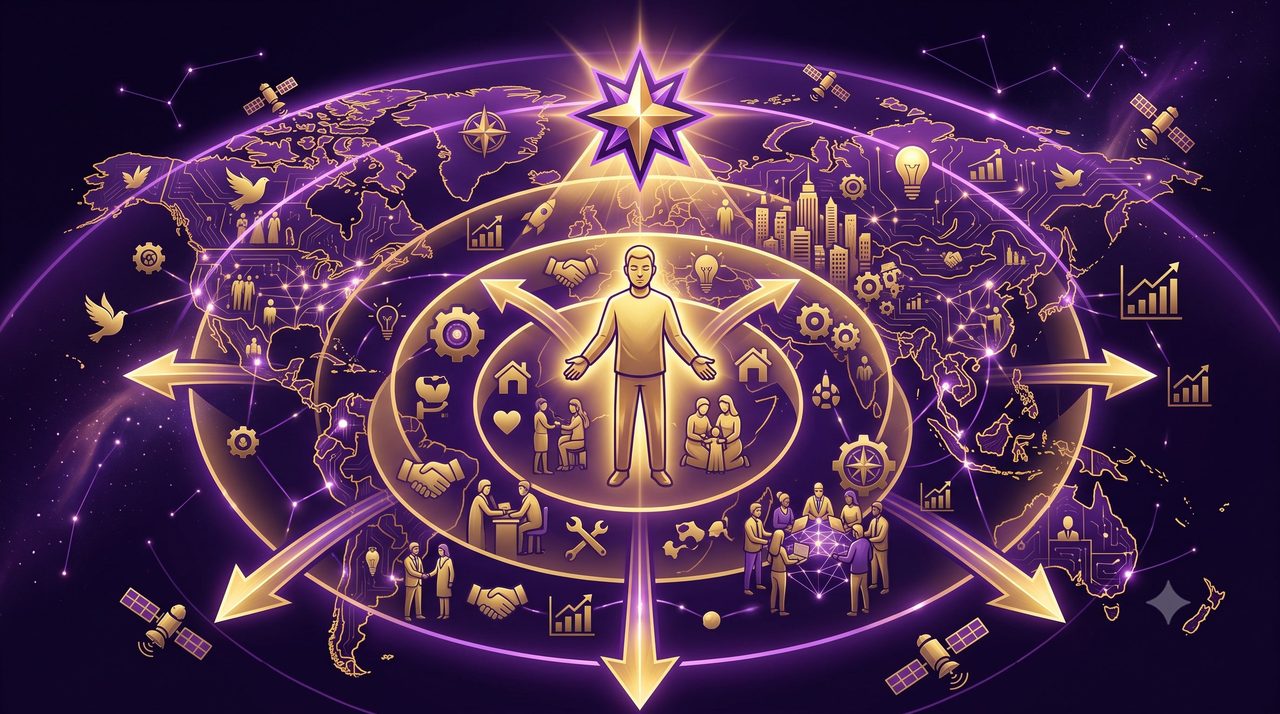
Social responsibility refers to the obligation individuals and organisations have to contribute positively to society. Summit-level leaders understand that success gains deeper meaning when it contributes to collective wellbeing, through mentoring younger generations, supporting educational initiatives, promoting ethical standards, addressing social inequalities, and participating in community development.
Civic leadership involves actively participating in improving public life within communities and nations. Unlike political leadership which operates within government structures, civic leadership emerges from ordinary citizens who take initiative to solve problems, organising education programmes, leading environmental protection initiatives, advocating for transparency, or mobilising volunteers. Nation-building is not restricted to elected officials.
Character is the foundation of nation building. Strong societies are built on ethical behavior, discipline, respect for law, and responsibility. Summit-level leaders understand that personal integrity has public consequences, their behavior influences the moral climate of the communities they serve.
📖Case Study
Martin Luther King Jr., Civic Leadership in Social Justice
During the mid-20th century, racial discrimination in the United States limited access to education, employment, and political participation for African Americans. King became a leading voice advocating for equality and justice through peaceful activism. His leadership played a significant role in advancing civil rights reforms, including the Civil Rights Act of 1964, which prohibited discrimination based on race, religion, or gender. King's influence demonstrates how civic leadership can transform social systems through courage, moral conviction, and community mobilisation.
📖Case Study
Nelson Mandela, Character-Based National Reconciliation
After decades of imprisonment for opposing apartheid, Mandela became president of South Africa in 1994. Instead of promoting revenge against former oppressors, Mandela advocated reconciliation and national unity. His leadership helped stabilise a nation deeply divided by racial conflict, illustrating that civic leadership rooted in integrity and forgiveness can guide societies through the most difficult transitions.
✍️Personal Activity
Identify one pressing issue within your community and outline a practical initiative you could launch to address it, including the problem, desired outcome, and resources required.
👥Group Activity
In teams, design a community impact project blueprint including objectives, timeline, budget, and evaluation method. Discuss how the project could remain sustainable over several years.
💭 Reflection Question
Would my private decisions withstand public scrutiny if they became known?
2
Designing Community Impact Projects
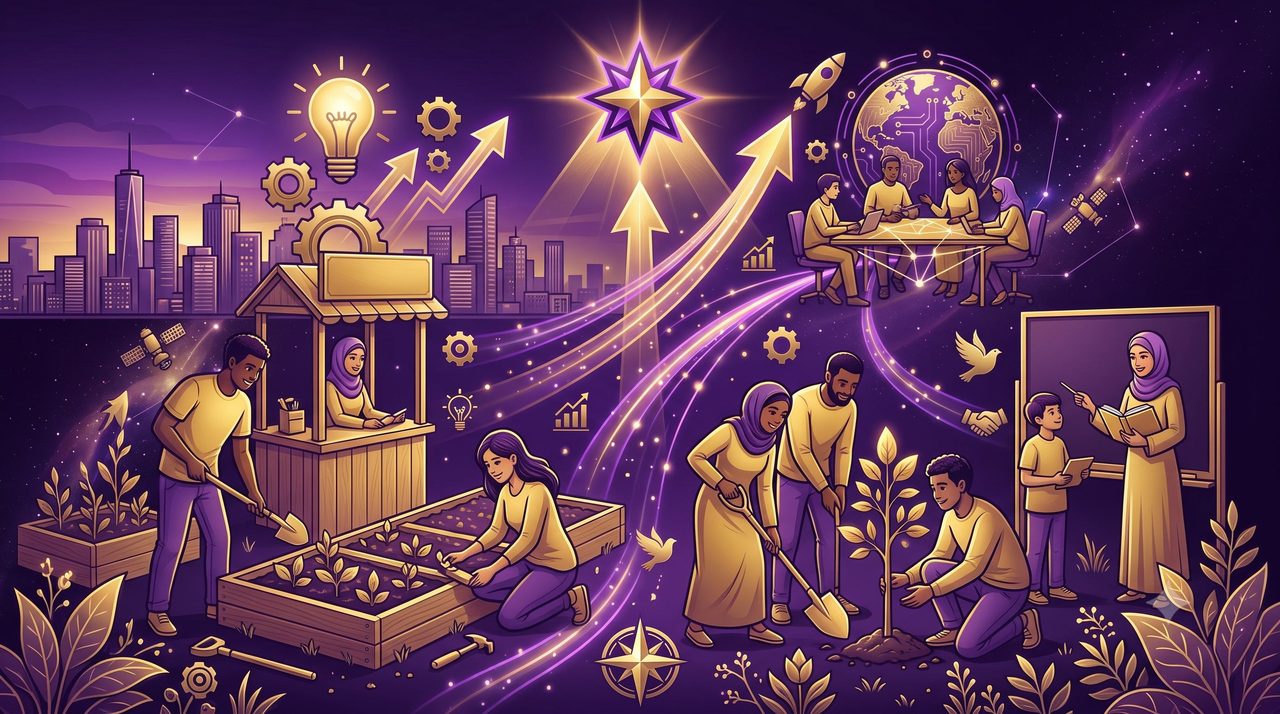
While passion for social change is admirable, effective impact requires structure and planning. Many well-intentioned initiatives fail because they lack clear objectives, strategic planning, and measurable outcomes. Summit-level leaders design community impact projects using systematic approaches: Problem Identification → Needs Assessment → Objective Setting → Planning (timeline, budget, team) → Implementation → Evaluation → Sustainability.
The first stage involves identifying a genuine community problem through observation, interviews, surveys, and community discussions, revealing root causes rather than surface symptoms. Clear objectives then guide planning. Without planning, even the most passionate projects may struggle to sustain momentum.
Sustainability ensures that community improvements continue even after the original project leaders move on. Sustainable projects include: leadership training for community members, partnerships with local organisations, and long-term funding strategies.
📖Case Study
Bill Gates, Structured Global Education and Health Impact
Through the Bill & Melinda Gates Foundation, Gates has invested billions of dollars in global health and education initiatives, combating infectious diseases and expanding educational access in developing countries. These initiatives follow rigorous planning processes involving data analysis, partnerships with international organisations, and long-term evaluation systems. This structured approach ensures that philanthropic efforts produce measurable and sustainable outcomes, demonstrating how summit-level leaders turn wealth into legacy.
📖Case Study
Muhammad Yunus, Microfinance and Sustainable Poverty Reduction
Yunus founded Grameen Bank, which provides small loans to individuals in poverty who lack access to traditional banking services. These microloans allowed millions of people to start small businesses and improve their economic conditions. Yunus's model demonstrated that structured financial support could empower communities rather than simply providing temporary aid, earning him the Nobel Peace Prize. His work shows how an innovative, well-designed solution can create sustainable social transformation.
✍️Personal Activity
Identify one pressing issue within your community and outline a practical initiative you could launch, including the problem, desired outcome, and resources required.
👥Group Activity
In teams, design a complete community impact project blueprint with objectives, timeline, budget, and evaluation method. Discuss long-term sustainability.
💭 Reflection Question
Would my private decisions withstand public scrutiny if they became known?
3
Ethical Leadership & National Transformation
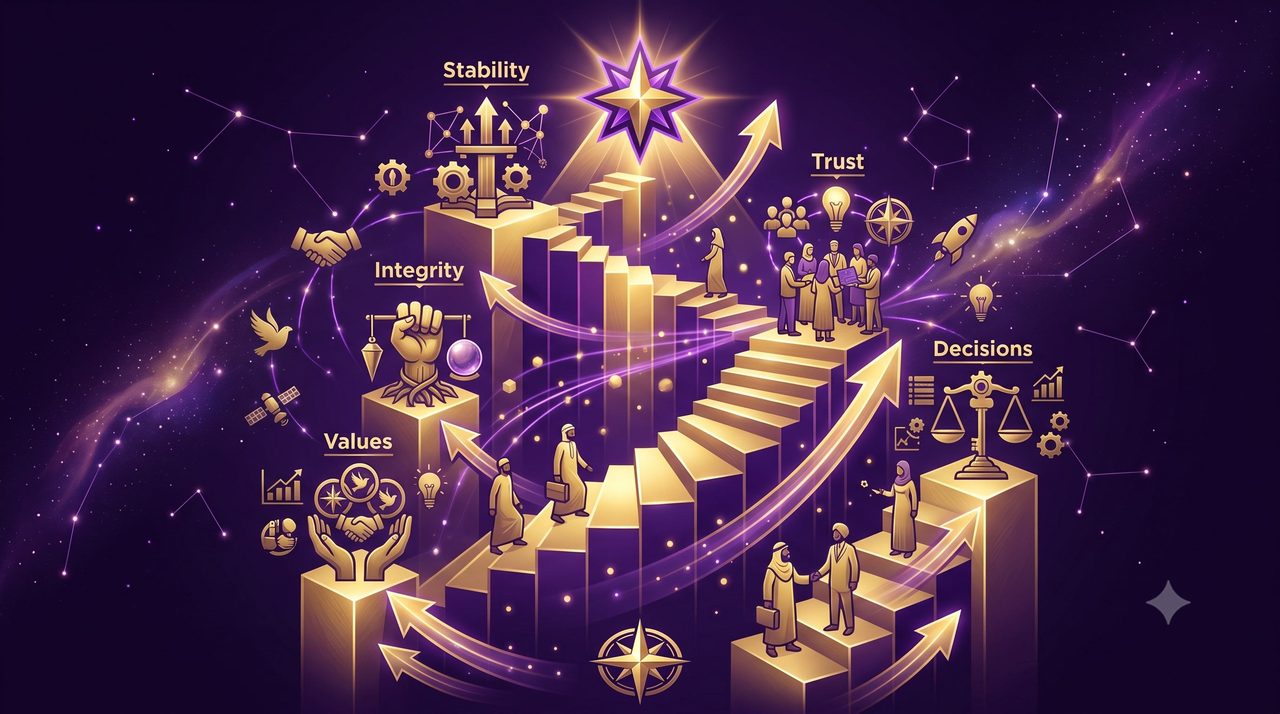
At the Summit level of leadership, ethics become the foundation of influence. Ethical leadership refers to decision-making guided by principles such as honesty, fairness, and accountability. Without integrity, leadership authority eventually collapses because trust disappears. Corruption rarely begins with large crimes, it develops through small compromises that gradually erode moral standards.
Moral courage is required because leaders sometimes face environments where dishonest practices appear normal or profitable. Ethical leaders speak truth respectfully, challenge injustice constructively, and refuse unethical advantages. This courage strengthens institutional integrity and encourages others to adopt similar standards.
Ethical leaders also establish accountability systems, independent audits, clear reporting structures, open communication channels, and feedback mechanisms. These systems protect integrity and strengthen public trust.
📖Case Study
Abraham Lincoln, Integrity in National Crisis
During the American Civil War, Lincoln faced immense political pressure while leading a deeply divided nation. Despite these challenges, he remained committed to preserving the union and advancing the abolition of slavery through the Emancipation Proclamation. Lincoln's leadership demonstrated how moral conviction can guide a nation through one of its most difficult historical periods, showing that integrity under pressure is the ultimate test of ethical leadership.
📖Case Study
Paul Polman, Ethical Corporate Leadership at Unilever
During his leadership of Unilever, Polman introduced sustainability initiatives designed to balance profitability with environmental and social responsibility. These policies emphasized reducing environmental impact while improving supply chain conditions for farmers and workers. Polman's approach demonstrated that ethical leadership can coexist with successful business strategy, and that summit-level leaders define success by impact on people and planet, not just profit.
✍️Personal Activity
Identify one pressing issue within your community and outline a practical initiative you could launch, including the problem, desired outcome, and resources required.
👥Group Activity
In teams, design a community impact project blueprint. Discuss how accountability systems and ethical leadership principles would guide the project.
💭 Reflection Question
Would my private decisions withstand public scrutiny if they became known?
✓ Conclusion
Social impact and nation building represent the highest expression of leadership. At this level, individuals move beyond personal ambition and dedicate their influence to improving society.
Civic leadership encourages responsible citizenship and collaborative problem-solving. Structured community projects transform ideas into measurable improvements. Ethical leadership ensures that influence remains trustworthy and sustainable.
The lives of Martin Luther King Jr., Nelson Mandela, Bill Gates, Muhammad Yunus, Abraham Lincoln, and Paul Polman demonstrate how ethical leadership and social responsibility can transform communities and nations. True leadership is not measured by personal success but by the lasting positive change it produces in society.
Your reading progress
0% read
Module Progress
0%
S403 completed
Flashcards, tap to reveal
Question
What is the difference between civic leadership and political leadership?
Tap to reveal answer
Answer
Political leadership operates within government structures. Civic leadership emerges from ordinary citizens who take initiative to solve community problems, organising programmes, advocating for change, and mobilising volunteers.
1 / 5
Quick Quiz
1. What distinguishes civic leadership from political leadership?
2. Why did Muhammad Yunus's microfinance model earn the Nobel Peace Prize?
3. What is the starting point of national transformation according to the ethics leadership model?