GLA
Growth Ladder Academy
Grow. Lead. Multiply.
GLA Logo
Growth Ladder Academy
ST
Summit Level · S404
Replication & Mentorship Systems
Back to Dashboard Mastery Psychology Organisational & High-Level Leadership Social Impact & Nation Building 4Replication & Mentorship Systems 5Legacy, Wealth of Impact & Global Influence
DashboardSummit Level › S404
🏔 Summit Level Unit 4 of 5 ~60 mins

Replication & Mentorship Systems

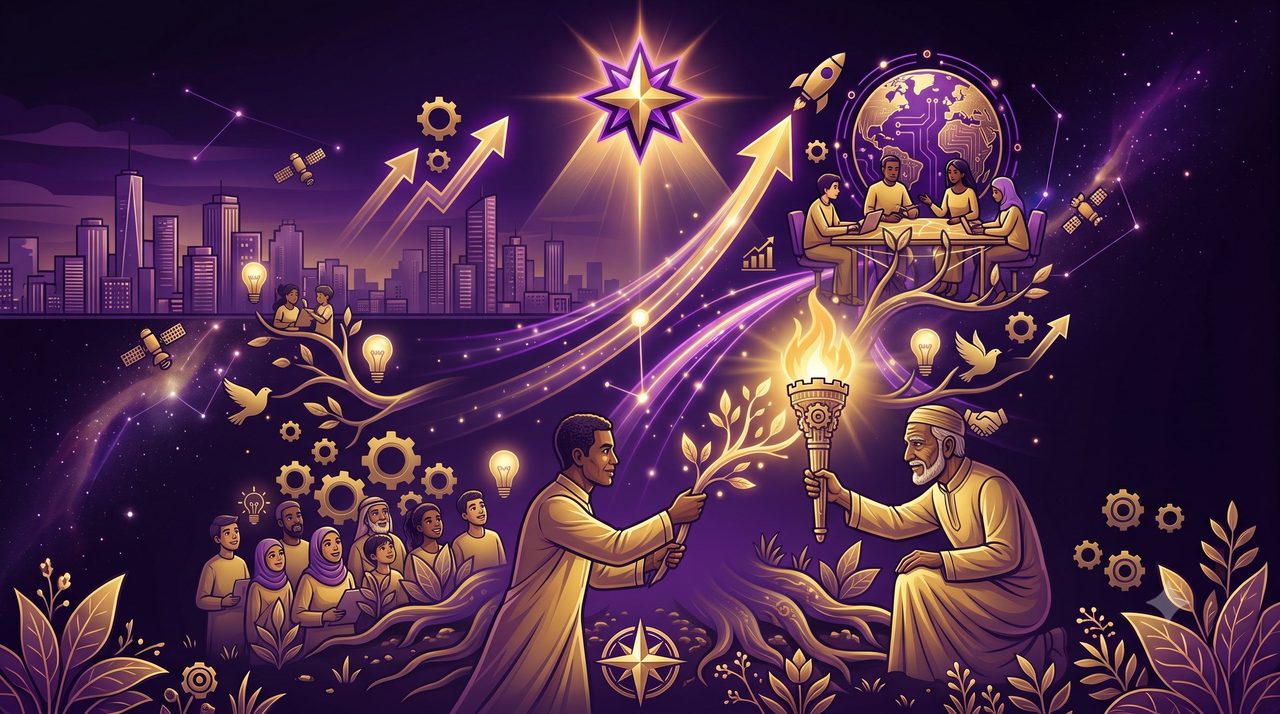
Leadership reaches its most powerful stage when it becomes reproducible. At the Summit level, leadership evolves into multiplication. A true master understands that personal success is limited in scope unless it produces new leaders who can carry forward the same principles. Replication is the hallmark of mature leadership, ensuring that knowledge, values, and skills are transmitted to future generations. This module explores Designing Personal Mentorship Systems, Coaching for Long-Term Transformation, and Building Sustainable Leadership Communities.
 Module Video Lesson
Video Coming Soon
Upload your S404 video to YouTube and paste the link here
Module Video Lesson
Audio Lesson, Listen On the Go
 Conversational audio overview, perfect for listening while on the go
Audio Lesson, Replication & Mentorship Systems
Audio file placeholder, upload MP3 to replace this
S404 reference image 1 S404 reference image 2 S404 reference image 3
 Tap any image to view full screen
1
Designing Personal Mentorship Systems

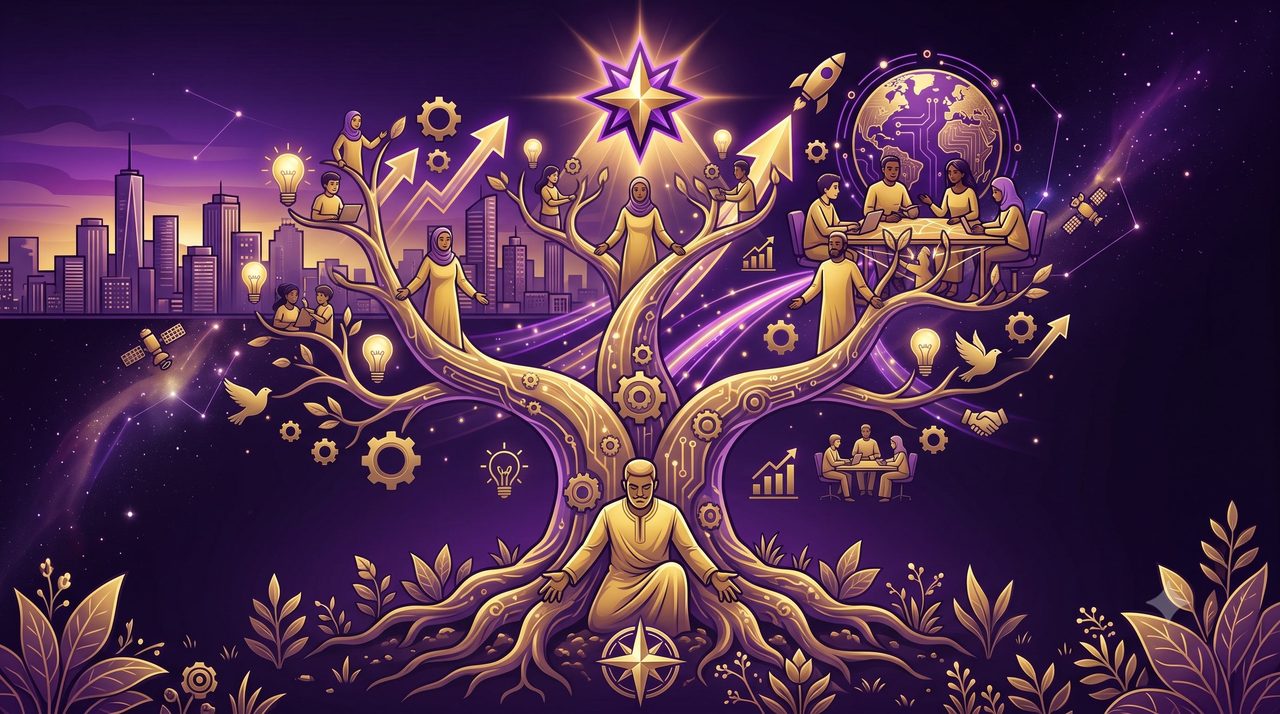
Leadership multiplication occurs when experienced individuals intentionally invest in developing others who can replicate the same principles. A mentor who develops three mentees who each develop three more creates exponentially expanding influence across generations. Many people attempt to mentor informally, but casual interactions rarely produce consistent transformation.

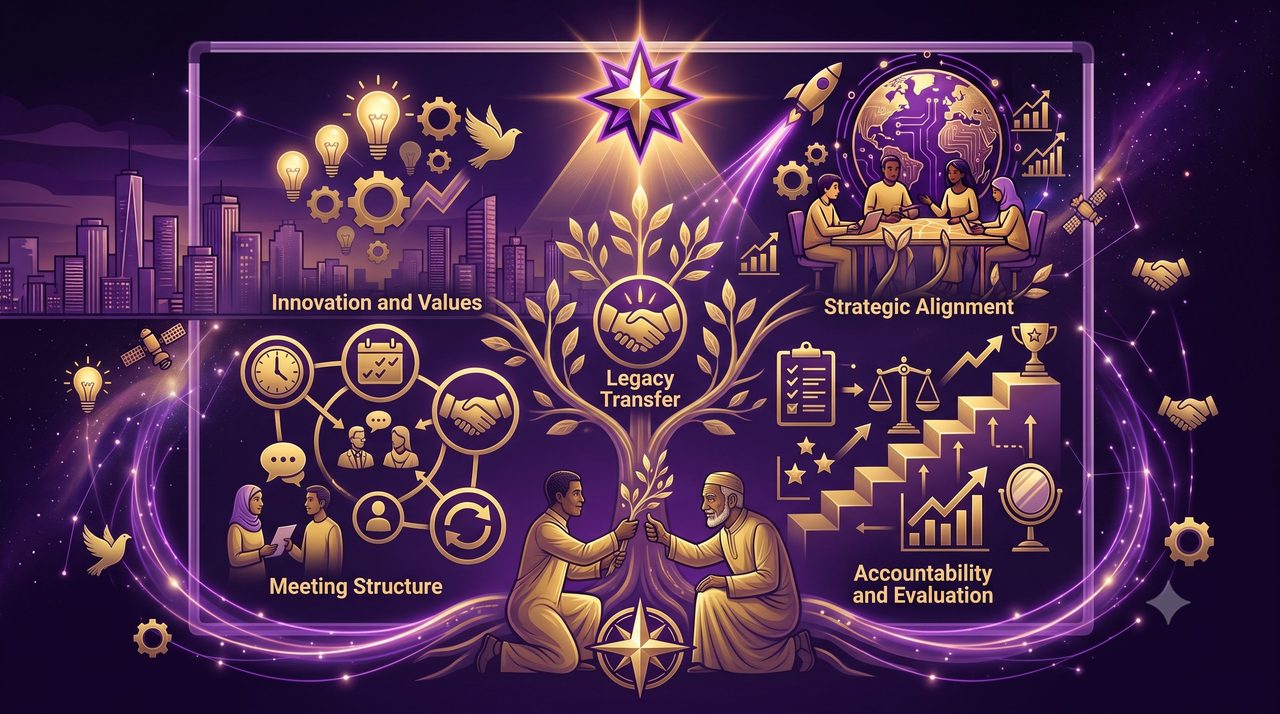
A strong mentorship system is intentional, measurable, and sustainable, including: clearly defined values, structured meetings, growth objectives, accountability processes, and evaluation and feedback. Before mentoring others, a leader must clarify their own mentorship philosophy: What values do I want to transmit? What skills should mentees develop? What behaviors are non-negotiable?

Effective mentorship requires mutual commitment. Masters look for mentees who demonstrate humility, teachability, discipline, and commitment to growth. Selecting the right mentees ensures the mentorship process produces lasting results. Periodic evaluation, reviewing progress, challenges, and necessary adjustments, reinforces that growth is intentional and measurable.

MentorLeaderLeaderLeaderOne mentor raises 3. Each raises 3 more. That is multiplication.
📖Case Study
Niels Bohr, Mentorship in Scientific Innovation
Bohr not only contributed groundbreaking scientific discoveries to quantum theory but also mentored many young physicists at the Niels Bohr Institute in Copenhagen. Several of his mentees later became influential scientists themselves, including Werner Heisenberg, who developed the Uncertainty Principle. Bohr's mentorship environment encouraged open discussion, intellectual curiosity, and collaboration. His laboratory became a centre where young scientists could develop ideas and refine their research, demonstrating how structured mentorship environments can produce generations of innovators.
✍️Personal Activity
Draft a personal mentorship blueprint that includes your leadership philosophy, the values you want to transmit, a mentorship meeting structure, and evaluation and accountability methods.
👥Group Activity
Design a mentorship framework for teenagers in your academy, including mentorship goals, meeting schedule, leadership development topics, and progress evaluation methods.
💭 Reflection Question
Am I building followers around me, or am I developing leaders who can thrive independently?
2
Coaching for Long-Term Transformation

Coaching differs from mentoring, coaching focuses on helping individuals discover their own solutions through structured questioning and reflection. A coach asks: 'What do you think is the main challenge here? What possible solutions have you considered? What would success look like?' These questions build independent thinking rather than dependency.

Effective coaching requires deep active listening, not listening with the intention of responding, but attentively detecting emotional signals, thought patterns, and limiting beliefs. Coaches help individuals challenge limiting beliefs such as 'I am not capable enough' or 'Opportunities are unavailable for people like me' by encouraging reflection and reframing perspectives.

Accountability is the engine of transformation. Without accountability, coaching conversations may inspire momentary enthusiasm but fail to produce lasting change. Accountability systems ensure individuals follow through on commitments, measure progress, and remain focused on goals.

MentoringCoaching
Focuses on guidanceFocuses on self-discovery
Mentor shares experienceCoach asks powerful questions
Provides directionEncourages self-reflection
Often long-term relationshipOften goal-focused engagement
📖Case Study
Pep Guardiola & Lionel Messi, Coaching in Elite Sports
Messi's early career at FC Barcelona was shaped by coaches who recognised his extraordinary talent but also helped refine his discipline and tactical awareness. One particularly influential coach was Pep Guardiola, whose philosophy emphasised strategic thinking, teamwork, and intelligent movement. Under his leadership, Barcelona achieved extraordinary success and Messi developed into one of the greatest players in football history. This example demonstrates how coaching can unlock potential and transform talent into sustained excellence.
✍️Personal Activity
Draft a personal mentorship blueprint including your leadership philosophy, values to transmit, meeting structure, and accountability methods.
👥Group Activity
Design a mentorship framework for teenagers in your academy, including goals, meeting schedule, development topics, and progress evaluation.
💭 Reflection Question
Am I building followers around me, or am I developing leaders who can thrive independently?
3
Building Sustainable Leadership Communities

Individual leadership achievements may inspire people temporarily, but sustainable transformation requires communities of shared purpose. Leadership communities provide: encouragement during challenges, collaborative problem-solving, accountability structures, and opportunities for collective impact. These communities create environments where leaders can grow together.

The foundation of a strong leadership community is shared values (integrity, service, excellence, growth, accountability) and trust. Trust is built through honesty in communication, consistency in actions, and openness to feedback. Conflict is natural in growing communities, but handled correctly through listening, focusing on shared goals, and seeking collaborative solutions, conflict strengthens relationships.

Succession planning ensures leadership communities remain strong across generations, identifying and developing emerging leaders, creating training programs, and gradually delegating responsibilities. The greatest threat to any community is dependence on a single personality rather than a system of shared values.

📖Case Study
Muhammad Ali, Leadership Community in Humanitarian Work
Although widely known for his boxing career, Ali also used his influence to promote humanitarian and social causes. Through the Muhammad Ali Center, his legacy continues to promote principles such as respect, confidence, and service, hosting educational programmes, leadership initiatives, and community outreach aimed at empowering young people. Ali's example illustrates how leadership communities can extend influence beyond personal achievements into lasting social development.
📖Case Study
Jack Welch, Leadership Replication at General Electric
During his leadership of General Electric, Welch emphasised leadership development programmes designed to cultivate future executives. The company's management training centre, often called Crotonville Leadership Development Center, became famous for developing generations of leaders who later served in major corporations around the world. This example shows how leadership communities within organisations can produce long-term influence across entire industries.
✍️Personal Activity
Draft a personal mentorship blueprint including your leadership philosophy, values to transmit, meeting structure, and accountability methods.
👥Group Activity
Design a mentorship framework for teenagers in your academy, including goals, meeting schedule, development topics, and progress evaluation.
💭 Reflection Question
Am I building followers around me, or am I developing leaders who can thrive independently?
✓ Conclusion

Replication and mentorship systems represent the highest stage of leadership influence. At this level, leaders shift from personal success to intentional multiplication.

Structured mentorship systems guide individuals toward disciplined growth. Coaching conversations unlock potential and encourage independent thinking. Leadership communities provide ecosystems where shared values and collaboration sustain progress.

The examples of Niels Bohr, Pep Guardiola, Lionel Messi, Muhammad Ali, and Jack Welch illustrate how leadership multiplication creates lasting impact across generations. The greatest leaders are not those who simply achieve success but those who develop others capable of achieving even greater success.

Your reading progress
0% read
Module Progress
0%
S404 completed
Flashcards, tap to reveal
Question
What is leadership multiplication?
Tap to reveal answer
Answer
When experienced individuals intentionally invest in developing others who can replicate the same principles, creating an exponentially expanding chain of influence across generations.
1 / 5
Quick Quiz
1. What is the hallmark of mature leadership at the Summit level?
2. How did Niels Bohr demonstrate the power of structured mentorship?
3. What makes a leadership community sustainable across generations?
Module 19 of 20