Leadership and character are foundational qualities for personal success, social influence, and responsible citizenship. At the transition stage, students begin moving from dependency toward independence, making more personal decisions, influencing peers, and accepting responsibilities in school, family, and society. True leadership begins with self-leadership: managing your own behavior, habits, and emotions before guiding others.
Module Video Lesson
Video Coming Soon
Upload your T202 video to YouTube and paste the link here
Module Video Lesson
Audio Lesson, Listen On the Go
Conversational audio overview, perfect for listening while on the go
Audio Lesson, Leadership & Character
Audio file placeholder, upload MP3 to replace this
Visual Reference Images
Tap any image to view full screen
1
Understanding Leadership & Self-Leadership
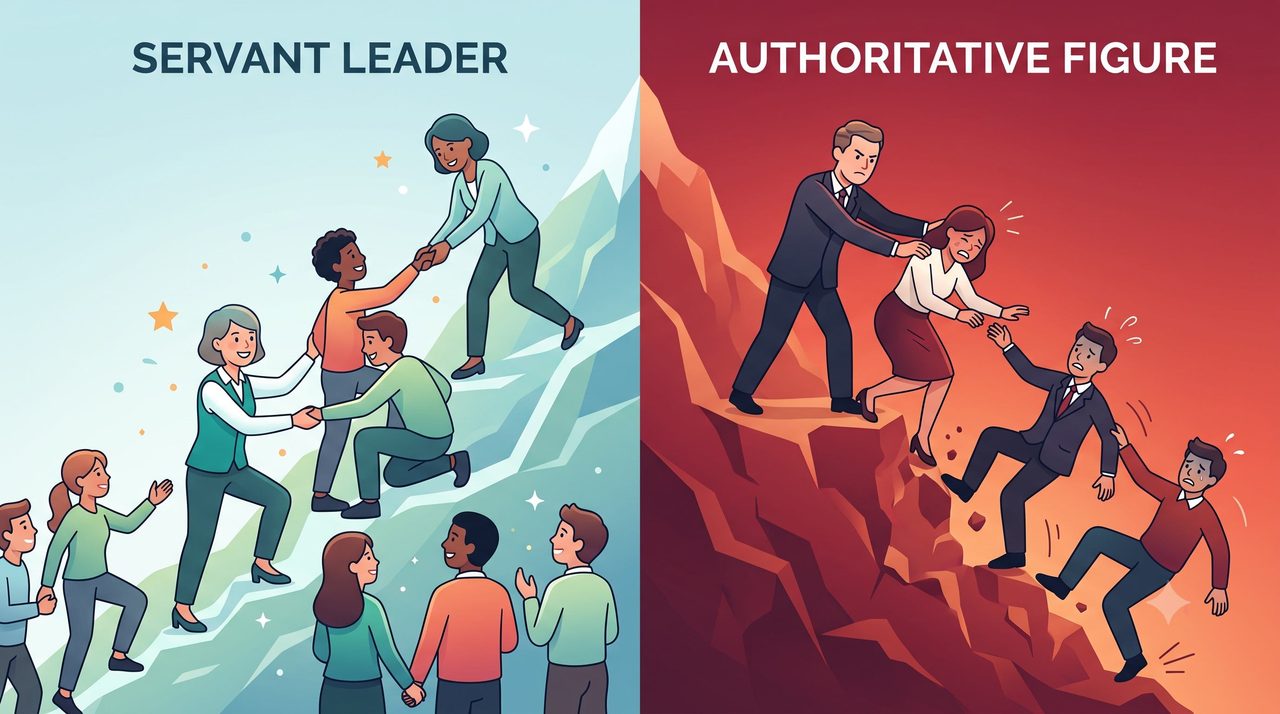
Leadership is not about occupying a position of authority. Many people mistakenly believe leadership is about power, popularity, or control. In reality, leadership is about influence, responsibility, and service. A true leader guides others toward positive goals, demonstrates discipline, and takes responsibility for outcomes.
Self-leadership requires discipline, self-awareness, and commitment to personal growth. A student who manages time effectively, completes assignments responsibly, and maintains positive behavior is already practicing leadership, building credibility that makes others naturally trust and follow them.
A good leader understands that leadership is about service. The purpose of leadership is not personal recognition but collective progress. Leaders look beyond their own interests and consider the welfare of others.
📖Case Study
Nelson Mandela, Leadership Through Responsibility and Service
Mandela spent 27 years in prison for fighting against apartheid. Despite immense hardship, he emerged with a message of reconciliation rather than revenge. As president, he worked to unite a divided nation. Mandela's leadership was rooted in responsibility, forgiveness, and service to the people rather than personal power, demonstrating that true leadership often requires sacrifice, courage, and commitment to justice.
✍️Personal Activity
Identify one area in your school or home environment where you can demonstrate leadership this month. Describe the actions you will take.
👥Group Activity
Analyze real-life leadership scenarios and discuss how responsible decision-making and integrity could influence the outcome.
💭 Reflection Question
Do my daily actions reflect the leadership qualities I want others to see in me?
2
Decision-Making & Integrity
Every day, individuals make choices that influence their future. Effective decision-making requires careful thinking, awareness of consequences, and alignment with personal values. Key questions to ask: What are the possible outcomes? Does this align with my values? Who might be affected? Is this beneficial long-term?
Integrity is the foundation of strong leadership. It means maintaining honesty and moral consistency regardless of circumstances, doing what is right even when no one is watching. Leaders without integrity may achieve temporary success, but their influence eventually collapses because trust is lost.
Leadership also requires humility, the ability to accept feedback, learn from mistakes, and appreciate the contributions of others. And accountability, accepting responsibility for both success and failure rather than blaming others.
📖Case Study
Abraham Lincoln, Integrity Under Pressure
Lincoln led the United States during the American Civil War, a deeply divided country facing immense pressure from many groups. Despite criticism, he remained committed to the principle that all people should be free. His decision to issue the Emancipation Proclamation demonstrated moral courage and integrity. Lincoln's leadership illustrates how strong values guide responsible decisions even in the most difficult situations.
📖Case Study
Malala Yousafzai, Integrity and Conviction
Malala grew up in Pakistan where extremist groups attempted to prevent girls from attending school. Despite threats and danger, she spoke publicly about the importance of education for girls. In 2012 she survived an assassination attempt but continued advocating for education worldwide. Her courage and commitment to values led her to become the youngest recipient of the Nobel Peace Prize, showing how integrity and conviction can inspire global change.
📖Case Study
Steve Jobs, Resilience and Vision in Leadership
Jobs co-founded Apple and revolutionized the technology industry. Although he faced business setbacks including being removed from the company he founded, Jobs remained committed to innovation and excellence. His return to Apple led to some of the most successful technological products in history, demonstrating that leadership involves resilience, creative thinking, and dedication to a clear vision.
✍️Personal Activity
Write about a recent decision you made and evaluate whether it reflected your values and long-term goals.
👥Group Activity
Discuss scenarios where integrity is tested and how strong character guides better decisions.
💭 Reflection Question
Do my daily actions reflect the leadership qualities I want others to see in me?
✓ Conclusion
Leadership begins with self-leadership, managing your own behavior, habits, and emotions with discipline and integrity. Responsibility, ethical decision-making, accountability, humility, and service are the core qualities of effective leadership.
The examples of Nelson Mandela, Abraham Lincoln, Malala Yousafzai, and Steve Jobs demonstrate that meaningful leadership is rooted in character, not merely position or power.
The most influential leaders are remembered not for their titles but for the positive difference they made in the lives of others. Leadership is about impact, and impact begins with daily choices.
Your reading progress
0% read
Module Progress
0%
T202 completed
Flashcards, tap to reveal
Question
What is self-leadership?
Tap to reveal answer
Answer
Managing your own behavior, habits, and emotions with discipline and integrity before attempting to guide others. It builds the credibility that others naturally follow.
1 / 5
Quick Quiz
1. What is the true purpose of leadership?
2. How does accountability strengthen leadership?
3. What can students learn from Steve Jobs' leadership journey?