
Growth Ladder Academy
Grow. Lead. Multiply.
Character and responsibility are essential qualities for personal development and leadership. While skills and knowledge are important, character determines how individuals use those abilities in real-life situations. People who demonstrate responsibility and strong character earn trust, respect, and influence within their communities.
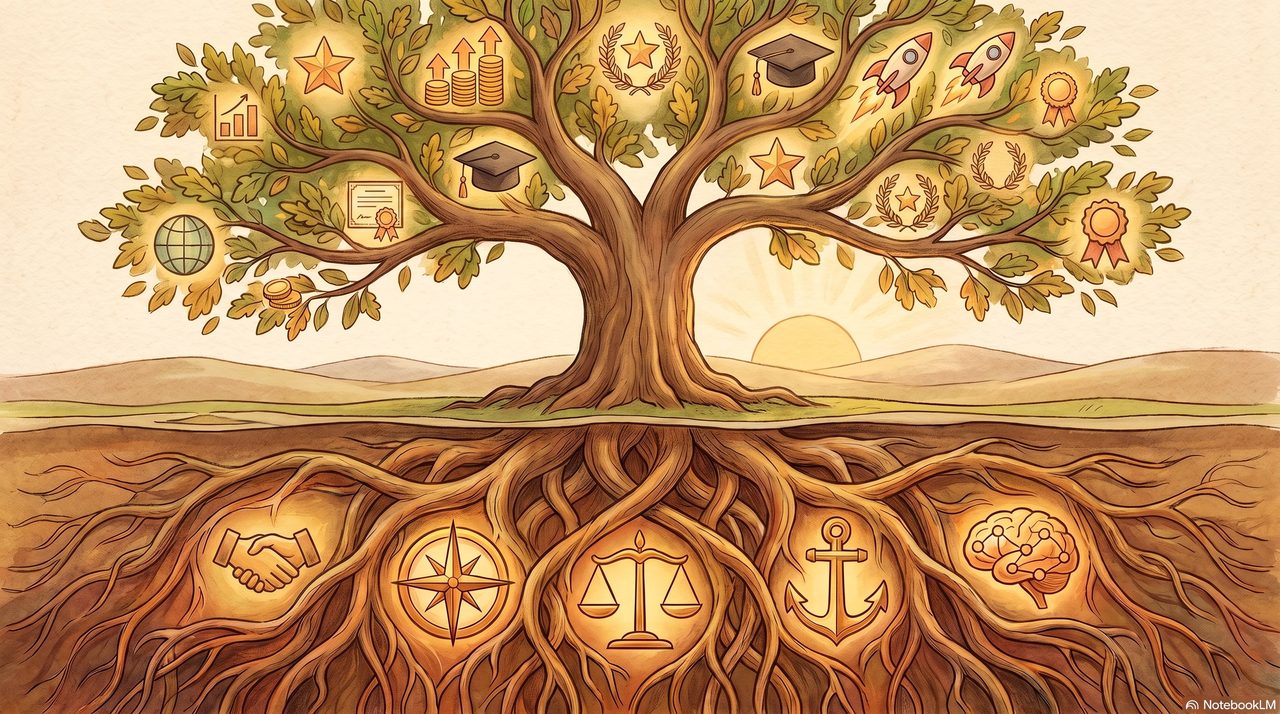

Integrity means doing what is right even when no one is watching. It involves honesty, consistency, and strong moral principles. A person with integrity behaves the same way in private as in public and does not compromise values for convenience or personal gain.
Integrity builds trust, and trust is the foundation of leadership. When people know someone is honest and dependable, they are more willing to follow and respect that person. Students often face situations where integrity is tested, pressure to cheat, lie, or hide the truth.
Character is built through daily decisions. Every choice, whether honest or dishonest, shapes your reputation and identity. Developing integrity early in life helps you become a dependable and respected individual in school, work, and society.
Accountability means taking responsibility for your actions, decisions, and outcomes without blaming others. It involves acknowledging mistakes, learning from them, and making improvements.
When students accept accountability, they begin to take control of their development. Responsible individuals evaluate their behavior honestly and seek ways to improve, understanding that mistakes are opportunities to learn rather than reasons for embarrassment.
Accountability also includes fulfilling commitments and meeting expectations. Reliable individuals earn trust from teachers, friends, and family because they consistently fulfill their responsibilities. Accountability is closely connected to discipline and maturity.
Respect is the act of valuing oneself and others, showing kindness, fairness, and recognizing the dignity of every individual. Self-respect influences how students behave, communicate, and make decisions.
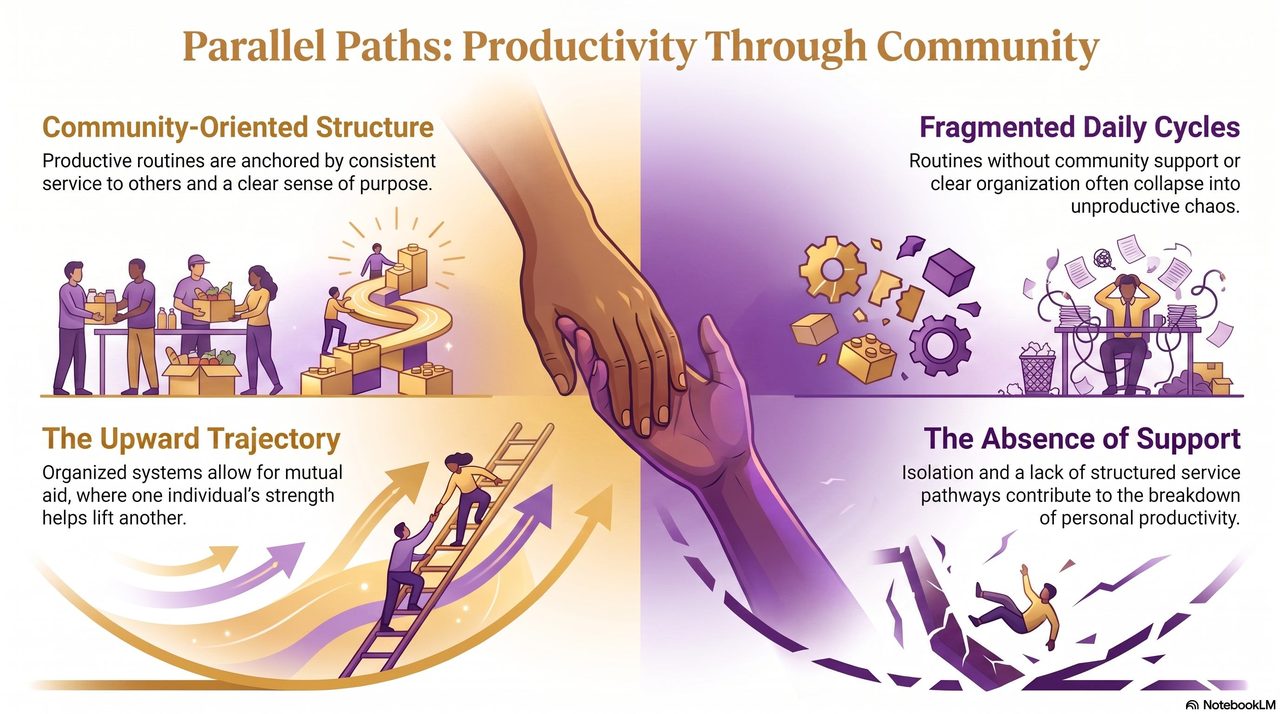
Service is a natural extension of respect. Serving others means contributing positively to the well-being of individuals or communities without expecting personal reward. Acts of service may include helping classmates, volunteering, or supporting community projects.
True leadership begins with service. Leaders who focus on helping others earn genuine loyalty and trust. When young people participate in acts of service, they learn the importance of contributing to the greater good rather than focusing only on personal success.
Responsibility and character are essential qualities that shape an individual's reputation, relationships, and leadership potential. Integrity encourages honesty and moral consistency. Accountability teaches individuals to accept responsibility. Respect and service promote kindness, cooperation, and empathy.
The examples of Mahatma Gandhi, Howard Schultz, and Mother Teresa demonstrate how strong character can influence society in meaningful ways.
Character is not formed overnight, it is developed through daily choices that reflect honesty, responsibility, respect, and service. Students who practice these values consistently will develop strong character and become trustworthy individuals capable of making positive contributions to society.