GLA
Growth Ladder Academy
Grow. Lead. Multiply.
GLA Logo
Growth Ladder Academy
ST
Foundation Level · F104
Life Seasons & Resilience
Back to Dashboard Self-Discovery & Identity Emotional Intelligence Habits & Discipline 4Life Seasons & Resilience 5Responsibility & Character
🌱 Foundation Level Unit 4 of 5 ~60 mins

Life Seasons & Resilience

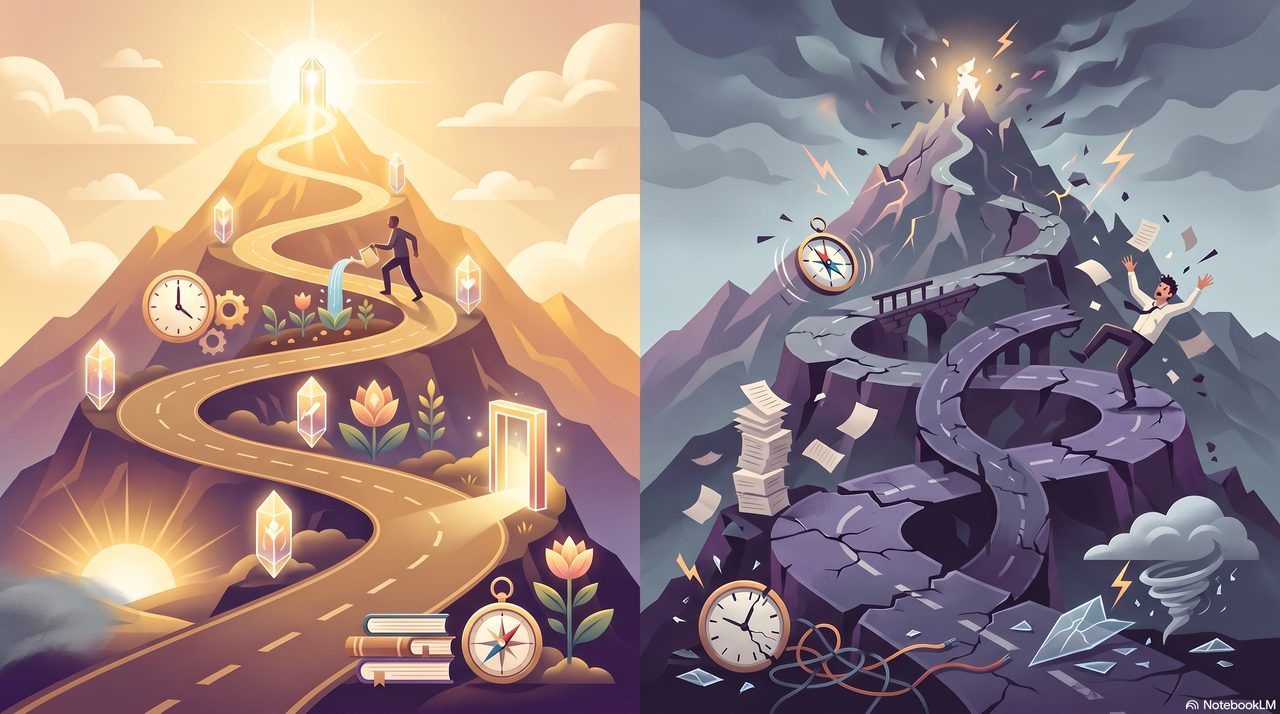
Life is a journey that unfolds in different stages or seasons. Each stage brings new responsibilities, opportunities, and challenges that shape personal growth. Resilience is the ability to recover from difficulties, adjust to change, and continue moving forward with determination. This module explores life's growth phases, coping with change, handling failure, and building resilience.

 Module Video Lesson
Video Coming Soon
Upload your F104 video to YouTube and paste the link here
Module Video Lesson
Audio Lesson, Listen On the Go
 Conversational audio overview, perfect for listening while on the go
Audio Lesson, Life Seasons & Resilience
Audio file placeholder, upload MP3 to replace this
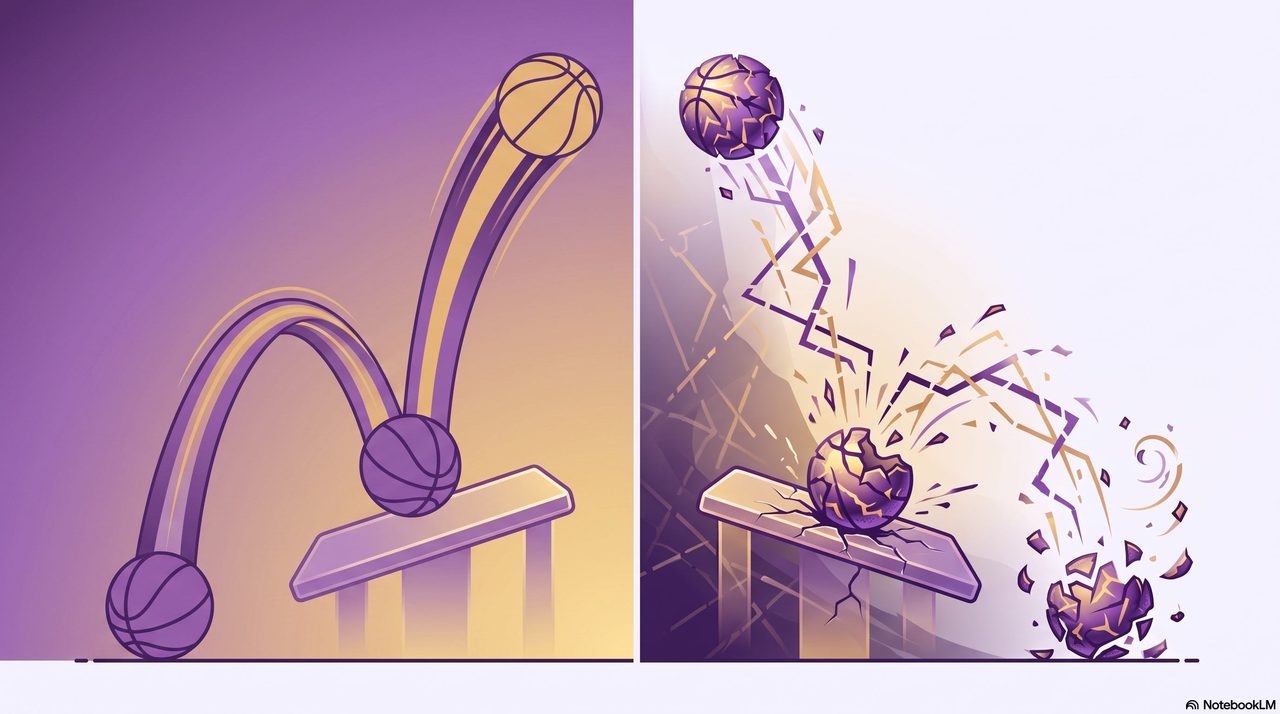
F104 reference image 1 F104 reference image 2 F104 reference image 3
 Tap any image to view full screen
1
Understanding Growth Phases

Human life develops through different stages, childhood, adolescence, and young adulthood, each with unique characteristics and expectations. Adolescence is a time of significant transformation: physical growth, emotional changes, and increasing independence.

Understanding life phases helps students recognize that change is natural. Many young people compare themselves to others and feel discouraged when their experiences seem different. However, growth happens at different rates for different individuals.

Instead of resisting change, view each stage as preparation for future responsibilities. Every experience, whether challenging or rewarding, contributes to the development of patience, self-awareness, and decision-making.

1Childhood0-12Foundation2Adolescence13-19Identity3Young Adult20sPurpose4Adult30s-50sMastery5Elder50+LegacyEvery season of life has purpose. Embrace where you are.
📖Case Study
Albert Einstein's Unusual Learning Journey
Albert Einstein did not appear to be an extraordinary student during his early years. He spoke relatively late and sometimes struggled with strict traditional schooling. Many teachers believed he would not achieve significant success. However, Einstein's curiosity and persistence allowed him to explore ideas deeply in his own way, eventually contributing to groundbreaking discoveries in physics, including the Theory of Relativity. His life shows that early struggles do not determine long-term success.
✍️Personal Activity
Draw a timeline of your life highlighting major changes, achievements, and learning experiences.
👥Group Activity
Discuss common challenges teenagers face today such as academic pressure, social expectations, and identity development.
💭 Reflection Question
What positive growth has come from a recent change in my life?
2
Coping with Change

Change is an unavoidable part of life. Students may experience changes in friendships, school environments, family situations, or personal goals. While some changes are exciting, others can feel uncomfortable or uncertain.

Healthy coping strategies help students manage transitions: seeking guidance from trusted adults, maintaining positive thinking, continuing healthy routines, and focusing on solutions rather than problems.

Emotional flexibility, the ability to adjust thoughts and emotions when situations change, is a valuable life skill. Students who develop this ability become more adaptable and better prepared for future transitions in education, careers, and relationships.

📖Case Study
J.K. Rowling and Life Transitions
J.K. Rowling, author of the Harry Potter series, experienced significant life challenges before achieving success. During a difficult period she faced financial struggles and personal hardships while raising her child as a single parent. Despite these challenges, Rowling continued writing. Her first book was initially rejected by several publishers. Eventually it was published and became the beginning of one of the most successful book series in history, illustrating that difficult changes can lead to unexpected opportunities.
✍️Personal Activity
Write about a change that was difficult but later helped you grow.
👥Group Activity
Students share coping strategies that help them manage stress and adapt to change.
💭 Reflection Question
How do I normally react when things do not go as planned?
3
Handling Failure

Failure is often misunderstood as the opposite of success. In reality, failure is an important part of learning and improvement. Many successful individuals experienced setbacks before achieving their goals.

Failure provides valuable feedback about preparation, effort, and strategy. It reveals areas where improvement is needed and encourages new approaches. Many students fear failure because they associate mistakes with embarrassment.

The key question after failure should not be 'Why did this happen to me?' but rather 'What lesson can I learn from this experience?' Students who adopt this mindset become more persistent and better prepared to overcome obstacles.

FailureReflectLearnAdaptGROWFailure is not the end. It is the beginning of growth.
📖Case Study
Thomas Edison's Persistence
Thomas Edison conducted thousands of unsuccessful experiments while developing the electric light bulb. When asked about his failures, he responded that he had not failed, he had discovered many ways that did not work. Eventually his persistence led to the successful electric light bulb, transforming modern society. Edison's example demonstrates that failure is often a necessary step in the process of discovery and innovation.
"I have not failed. I've just found 10,000 ways that won't work.", Thomas Edison
✍️Personal Activity
Write about a recent failure and identify one lesson learned from the experience.
👥Group Activity
Discuss famous examples of individuals who overcame failure before achieving success.
💭 Reflection Question
Do I see mistakes as shameful or as opportunities to improve?
4
Building Resilience

Resilience is the ability to recover from setbacks and continue moving forward despite challenges. Resilient individuals do not avoid hardship, they learn to respond to it with determination and hope.

Building resilience involves: developing positive thinking habits, maintaining supportive relationships, and setting realistic goals. A strong support system, family, teachers, friends, mentors, provides encouragement during difficult times.

Importantly, resilience does not mean ignoring pain or pretending problems do not exist. Rather, it means acknowledging difficulties while choosing to continue striving for improvement. Challenges often become opportunities for personal strength and growth.

📖Case Study
Stephen Hawking's Extraordinary Resilience
Stephen Hawking was a brilliant physicist diagnosed with ALS (Amyotrophic Lateral Sclerosis) in his early twenties, a condition that gradually weakens muscles. Doctors initially predicted he might live only a few years. Despite this devastating diagnosis, Hawking refused to abandon his scientific work. With determination and support from others, he continued his research and became one of the most respected scientists in the world, writing influential books like A Brief History of Time.
✍️Personal Activity
Identify three support systems in your life that encourage and support you.
👥Group Activity
As a class, create a "Resilience Toolkit" listing strategies for overcoming challenges.
💭 Reflection Question
What helps me recover when I feel discouraged?
✓ Conclusion

Life is full of transitions, challenges, and unexpected experiences. Understanding growth phases, coping with change, responding positively to failure, and developing resilience are essential skills for navigating life successfully.

The stories of Albert Einstein, J.K. Rowling, Thomas Edison, and Stephen Hawking demonstrate that setbacks and challenges are not barriers to success but opportunities for growth and discovery.

Resilience transforms difficulties into stepping stones for personal development and long-term achievement.

Your reading progress
0% read
Module Progress
0%
F104 completed
Flashcards, tap to reveal
Question
What is resilience?
Tap to reveal answer
Answer
The ability to recover from setbacks, adjust to change, and continue moving forward with determination despite challenges.
1 / 5
Quick Quiz
1. What is the best question to ask yourself after experiencing failure?
2. What does J.K. Rowling's story teach about life transitions?
3. Resilience means:
Module 4 of 20